7 Essential Steps to Master Trading Successfully
· based on the channel Tori Trades
Key takeaways
- Trading does not require advanced math or economics degrees.
- Trendlines and simple strategies form the core of effective trading.
- Risk management is crucial to protect capital in volatile markets.
- Tracking trades systematically helps improve performance.
- Tori Trades provides a straightforward step-by-step trading system.
Trading is simpler than many think and does not require complex math or a finance degree. By focusing on clear trendline strategies, proper trade management, and disciplined risk control, anyone can develop a profitable trading approach. You can join Tori Trades waitlist for exclusive trading insights to learn more.
Understand the Basics of Trading
Trading involves buying and selling financial instruments such as futures, forex, or stocks to profit from market movements. Contrary to popular belief, you don’t need to be an expert in economics or math. The foundations include identifying market trends and using simple tools like trendlines. Trendlines help you visually determine market direction and potential entry or exit points.
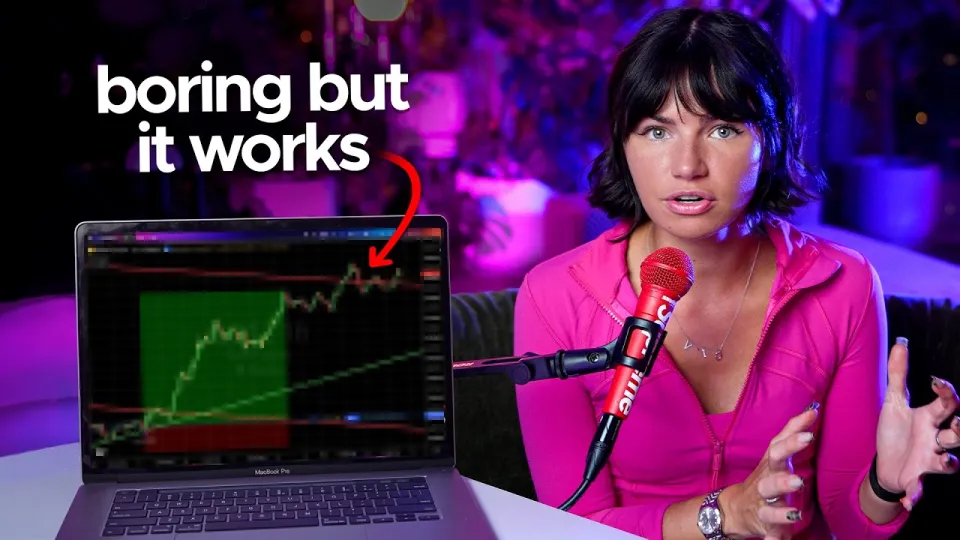
Video: Unfortunately, trading really is this simple
Build Your Trading System Step by Step
Creating a consistent trading system is key. Start by drawing trendlines on TradingView or your preferred charting platform to spot support and resistance levels. Then, define your entry criteria—for example, entering a trade when the price bounces off an upward trendline.
Risk management must be integrated from the start. Decide your stop loss based on recent swing lows or a fixed percentage of your capital. Position sizing should reflect your risk tolerance to avoid large drawdowns.
Manage Trades from Entry to Exit
After entering a trade, actively monitor the price action. The trend is your friend until the “bend at the end,” meaning trends usually continue until a significant reversal signal appears. You should move your stop loss to breakeven once the trade is comfortably profitable to protect your gains.
Exiting trades can be based on price reaching the next resistance level or when a candle closes against your position. Quick decision-making is critical, especially in volatile markets like gold futures, where prices can shift dramatically in seconds.
Track Your Trades Like a Pro
Using trade journaling software such as TradeZella allows you to record each trade’s details, review outcomes, and identify patterns. Consistent tracking helps refine your system and avoid repeating mistakes. Tori Trades recommends TradeZella with a discount code TORI20 for traders wanting to improve discipline.
Address Common Trading Questions and Mistakes
Many traders ask where to place stop losses around trendlines; a common approach is just below the bounce point of support or resistance. Also, it’s important to recognize that futures and commodities trading behavior can differ from stocks, especially regarding volatility and algorithmic market impacts.
Remember, no strategy guarantees profits; managing risk and emotions is equally important. Sometimes, markets behave unpredictably, so always prepare for sudden moves and know when to exit.
Use Reliable Brokers and Tools
Choosing a trustworthy broker like TradeStation, endorsed by Tori Trades (link), ensures smooth execution and access to useful trading features. Combine these with educational resources and social media channels from experienced traders to stay informed.
Conclusion
Trading success boils down to mastering a simple system based on trendlines, disciplined entry and exit rules, and robust risk management. Tracking your performance and learning from real trades builds confidence and skill over time. For a practical, step-by-step guide and community support, consider joining the Tori Trades waitlist.
Questions & answers
Do I need advanced math or an economics degree to succeed in trading?
No, trading can be successful using simple strategies like trendlines and risk management without requiring advanced math or economics knowledge.
Where should I place stop losses when trading with trendlines?
A common practice is to place stop losses just below the recent swing low or slightly below the trendline bounce point to limit losses while allowing for market fluctuations.
How does trading futures differ from stock trading?
Futures and commodities markets can be more volatile and influenced by different factors compared to stocks. Algorithmic trading impacts stocks heavily, while futures may react faster to economic events and liquidity changes.
Why is tracking trades important for traders?
Tracking trades helps identify what works and what doesn’t, enabling traders to refine their strategies, manage risks better, and improve overall trading performance over time.
Source: Unfortunately, trading really is this simple · Markdown version